Volcanic Soils – The Secret Behind Unique Wines

Volcanic soil is one of the most fascinating foundations for agriculture and viticulture on our planet. From vineyards to vegetable farms, volcanic soils play a key role in producing unique flavours and high-quality crops. Some of the finest examples include coffee grown in the volcanic soils of Hawaii and Central America, cocoa cultivated in the volcanic terrain of St. Lucia, and wines made from grapes grown in Santorini, Mount Etna in Sicily, and the Canary Islands.
What are Volcanic Soils?
Volcanic soils, known as Andisols, are often very young and can be acidic, depending on the type of volcano they originate from. These soils form from volcanic materials such as ash, pumice, basalt, and lava. In regions with frequent volcanic activity, Andisols can be exceptionally nutrient-rich and have excellent water retention properties.
Key Characteristics of Volcanic Soils
Volcanic soils are rich in minerals, including potassium, calcium, iron, magnesium, and various trace elements. When they are newly formed, these soils are typically slightly acidic, with a pH range of 5.5 to 6.5. However, their acidity can change over time due to weathering processes.

Formation of Volcanic Soils
The Eruption Phase
During volcanic eruptions, ash, tephra, pumice, and lava are ejected. These materials cool down and weather, breaking down into mineral-rich particles.
Weathering & Soil Development
Over time, minerals combine with water, air, and organic matter to form clay minerals like allophane and imogolite. These minerals contribute to the exceptional fertility and water retention capabilities of volcanic soils.

Volcanic Soils and Wine Quality
The slight acidity of volcanic soils helps vines absorb essential nutrients such as iron, zinc, and magnesium. Soil pH can influence grape ripening, acidity, and ultimately the freshness and minerality of the wine.
Grapes that are grown in volcanic soils tend to produce wines with distinctive flinty, smoky, or even salty flavours. The combination of high fertility and low organic matter can create just enough stress on the vines to promote the production of more concentrated and flavourful grapes, which paradoxically benefits winemaking.
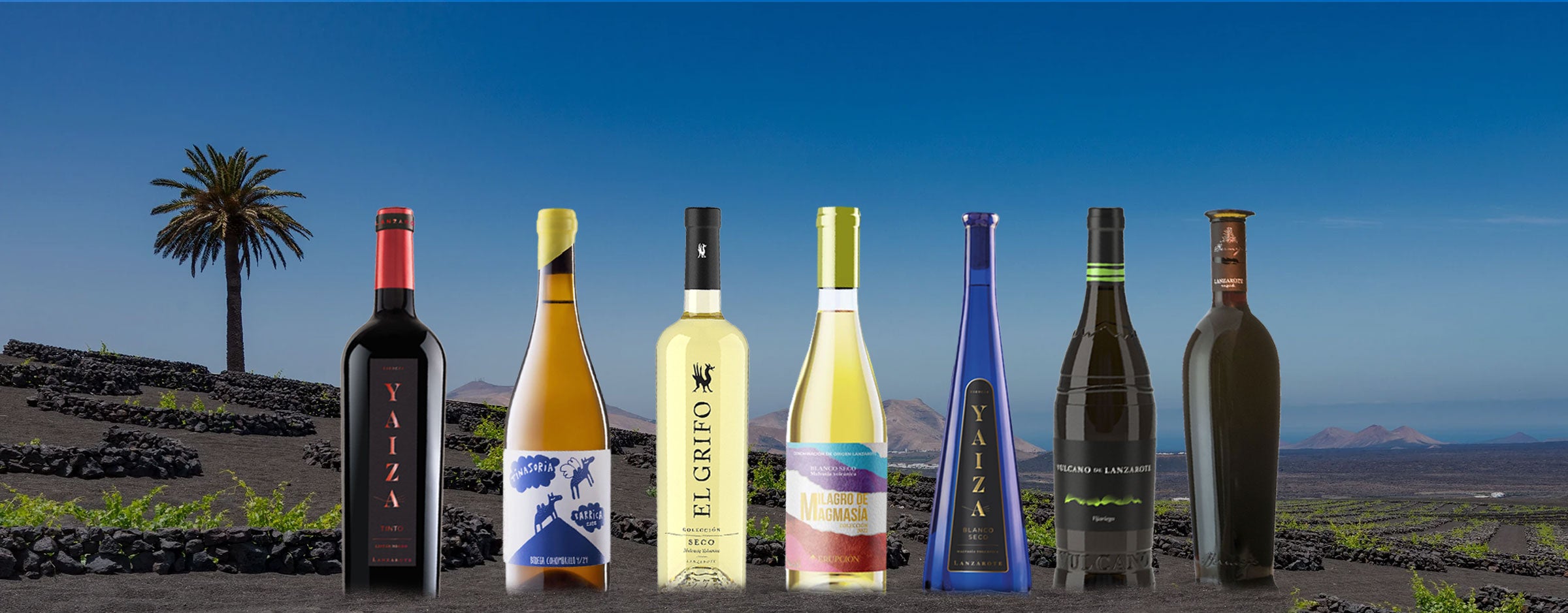
In Lanzarote, Canary Islands, the volcanic soils can be relatively neutral due to low rainfall and the presence of mineral-rich lapilli, which tend to be slightly alkaline. The depth of volcanic ash covering the soil can vary from 30 centimeters to 4 meters. Viticulture in Lanzarote is characterized by deep hollows and curved dry stone walls, known as zocos. These zocos protect the vines from the strong north-easterly trade winds. The layer of volcanic ash helps to retain moisture and capture any rainfall in the soil beneath. It is not uncommon to find vineyards that are not irrigated and instead rely solely on atmospheric water to survive.
Thank you for reading!
Dan