Tenerife Grape Varieties
Tenerife Grape Varieties
The long and fascinating history of Lanzarote wine

Are you 18 years old or older?
Sorry, the content of this store can't be seen by a younger audience. Come back when you're older.
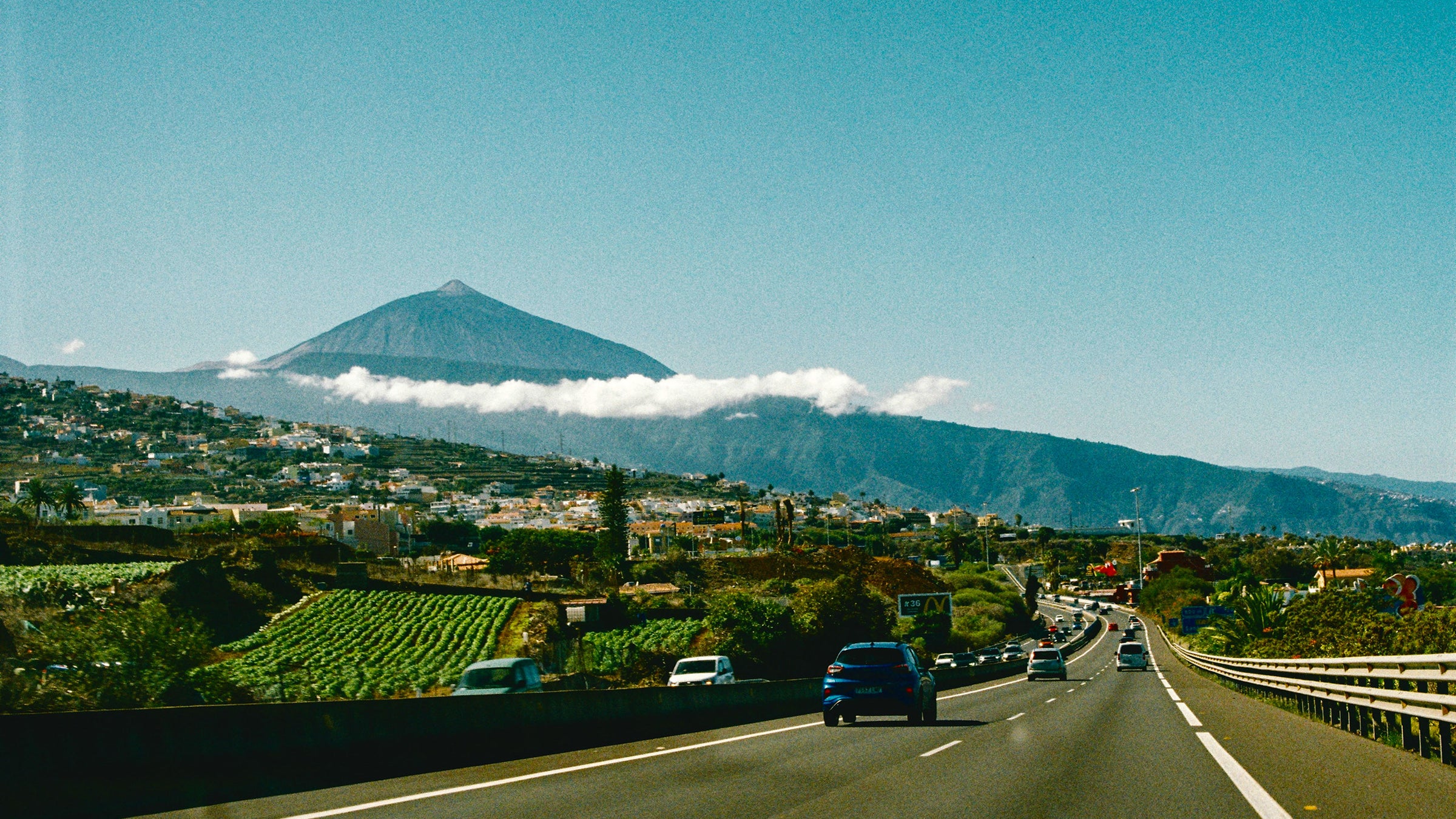
Tenerife has over 10 native grape varieties, including Listán Blanco, Malvasía Aromática, Marmajuelo, and Baboso Negro.
While international grapes like Syrah or Cabernet Sauvignon exist, they make up only a small part of production. The island’s winemakers focus on preserving indigenous varieties, which thrive in Tenerife’s volcanic soils, steep slopes, and diverse microclimates.
Vines are often grown in braided formations or low to the ground, adapting to wind and terrain. Harvesting is manual, ensuring only the best fruit is selected and carefully transported to the winery.
On our page Unique Tenerife, you’ll find more about viticulture on the island.
A delicate and characterful white grape variety, Albillo Criollo is especially cherished on the island of La Palma, where it’s regarded as a local specialty. Traditionally featured in the island’s distinctive Vinos de Tea, it’s now drawing wider attention across the Canary Islands for its exceptional quality.
In the glass, Albillo Criollo offers refined aromas of white peach, citrus peel, and dried herbs, with subtle hints of almond, fennel, and volcanic minerality. On the palate, it is textured yet fresh, with a gentle acidity and a slightly savoury, saline finish that speaks clearly of its Atlantic origin.
Growers across the archipelago are rediscovering this variety’s potential, making it one of the most exciting native white grapes of the Canaries today.
Historic black grape variety originating from Andalusia, where it’s known as Mollar Cano, and now firmly established in the Canary Islands, where it ranks as the second most widely planted black grape by surface area. It thrives across the western islands, with a particularly strong presence on La Palma, where it’s locally called Mulata. It is prized for its ability to thrive in volcanic soils and contribute to blends with gentle tannins, soft fruit character, and a distinctive island personality.
It’s a late-ripening variety with moderate vigor and modest yields. Negramoll grows best at lower altitudes and produces wines that are typically light in colour, with a soft structure, and fresh, red-fruited character.
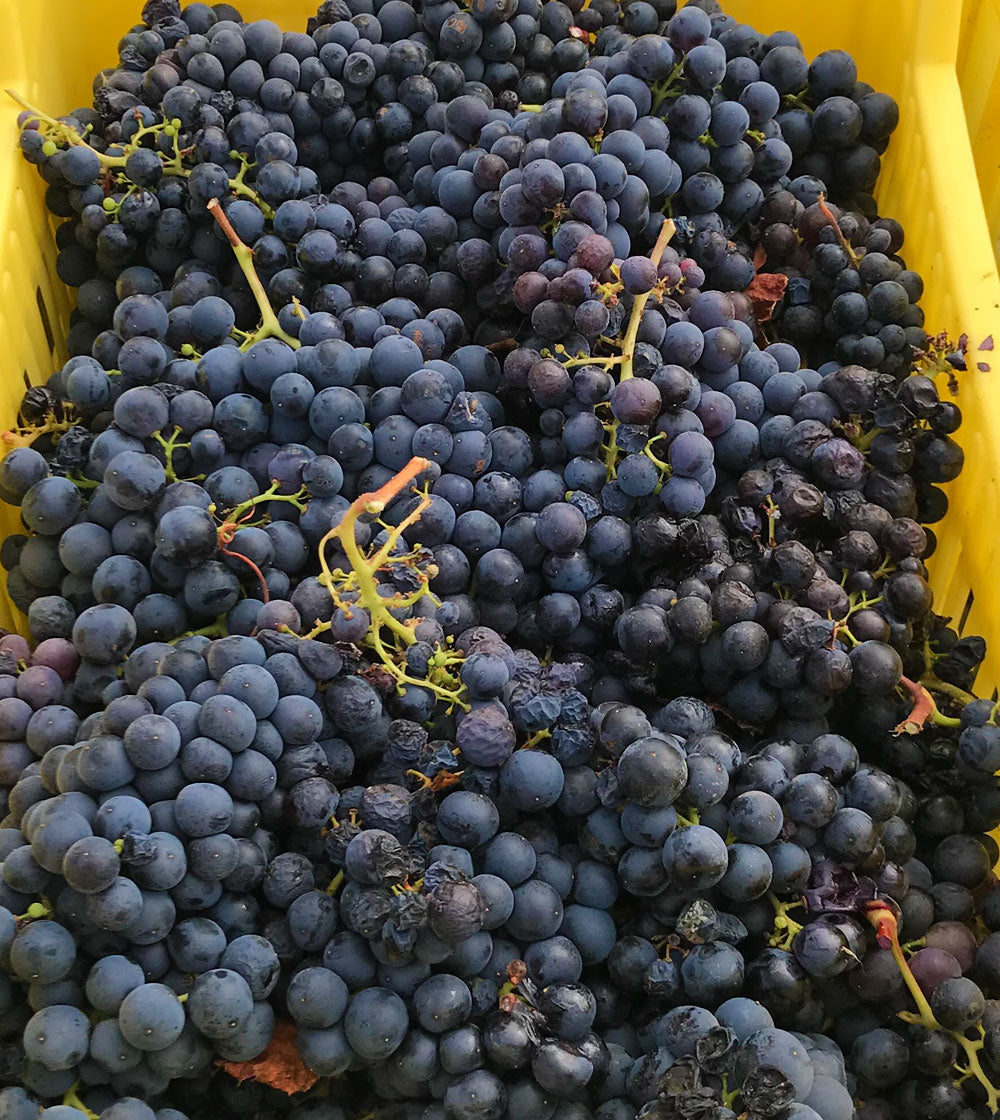
A rare and intriguing red grape variety, Tintilla is not genetically related to other grapes with similar names, making it truly unique. Traditionally used in blends, varietal expressions of Tintilla are hard to find, but highly distinctive when they do appear.
This is a late-ripening, low-yielding variety, best suited to vineyards planted above 600 meters in altitude. The vines produce compact clusters of small, deeply coloured, juicy berries, resulting in wines with intense pigmentation, vibrant acidity, and often a rustic, earthy edge.
As growers continue to explore the potential of native and underappreciated varieties, Tintilla is gaining attention for its character, structure, and connection to high-altitude volcanic terroirs.
A rare and lesser-known white grape variety, Verdello is cultivated across the northern regions of Portugal, the Azores, Madeira, the Canary Islands, and Cape Verde. It’s a short-cycle, low-yielding grape, challenging to grow, but one that offers distinctive character and freshness when handled with care.
Aromatically, Verdello is exotic and engaging, with aromas of lychee and quince, balanced by naturally refreshing acidity.
Increasingly appreciated by winemakers in the Canary Islands and beyond, Verdello is a standout choice for those seeking island whites with a unique aromatic profile and mineral tension.
Originally from the Rhône Valley in France, Syrah is a black grape variety renowned for producing full-bodied wines with deep colour, firm structure, and complex aromatics. In the Canary Islands, Syrah adapts beautifully to the region’s volcanic soils and high-altitude vineyards, where the cooling influence of the Atlantic Ocean allows for slower ripening and greater aromatic development.
In this unique environment, Syrah reveals notes of blackberry, plum, black pepper, and violet, often accompanied by subtle smoky and mineral undertones imparted by the volcanic terroir. The grape’s naturally thick skins and robust tannins result in wines with both concentration and ageing potential.
Frequently used in blends to enhance depth, colour, and spice, Syrah also performs exceptionally well as a single-varietal wine, showcasing the distinctive character of its island origin with elegance and intensity.


