Producers Tenerife
Producers Tenerife

Are you 18 years old or older?
Sorry, the content of this store can't be seen by a younger audience. Come back when you're older.
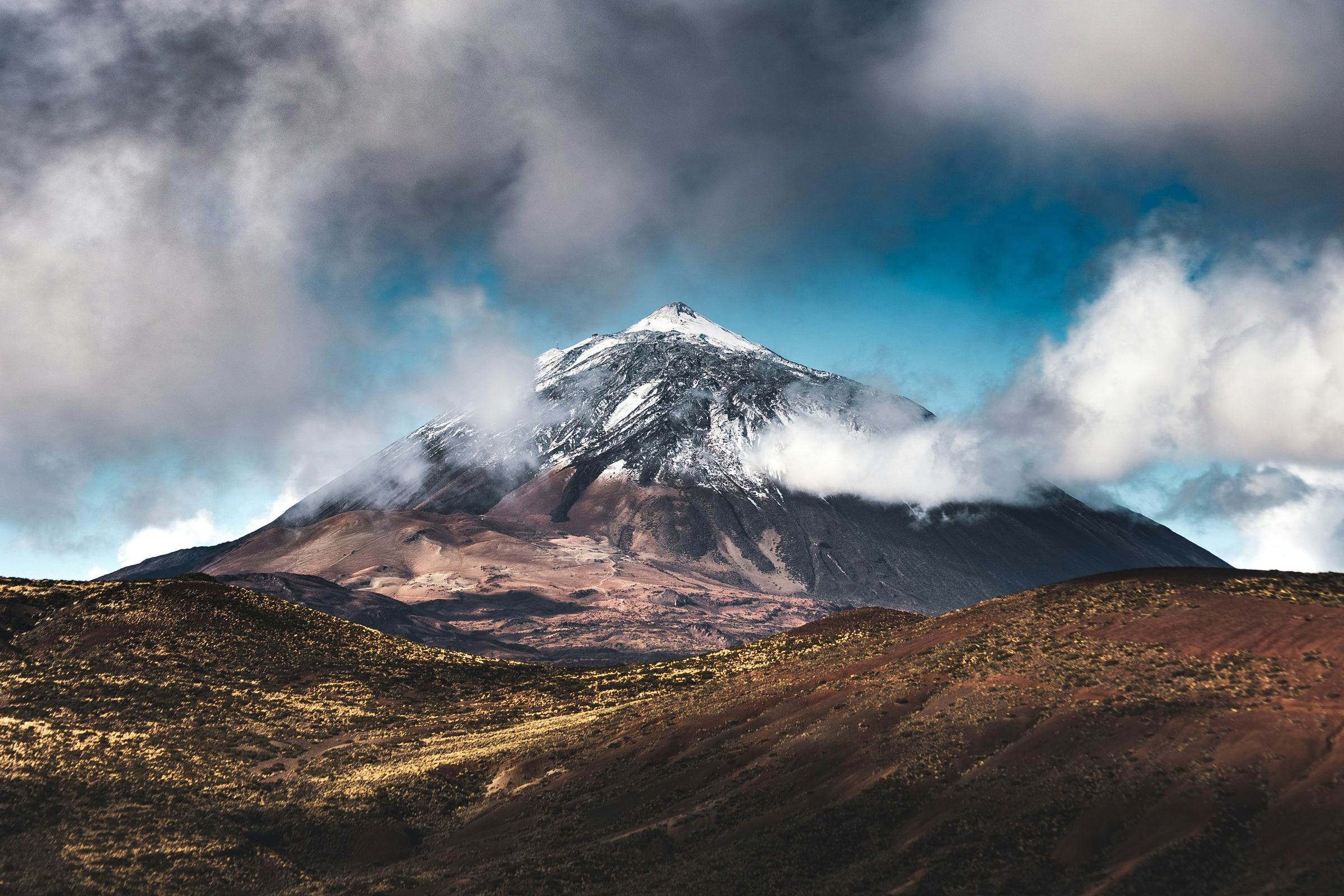
With five Denominaciones de Origen established in the 1990s, Tenerife guarantees exceptional quality through strict standards—from vine training to bottling. The island’s diverse microclimates and altitudes nurture native grapes like Listán Blanco and Listán Negro.
Over 100 wineries and thousands of small-scale growers contribute to a vibrant, collaborative wine culture. Traditional methods like cordón trenzado reflect centuries of heritage, while innovation ensures consistency and character.
Though production is modest, Tenerife’s wines stand out with bold flavors and volcanic identity. Each bottle tells a story of altitude, artistry, and island soul—crafted for those who seek something truly unique.
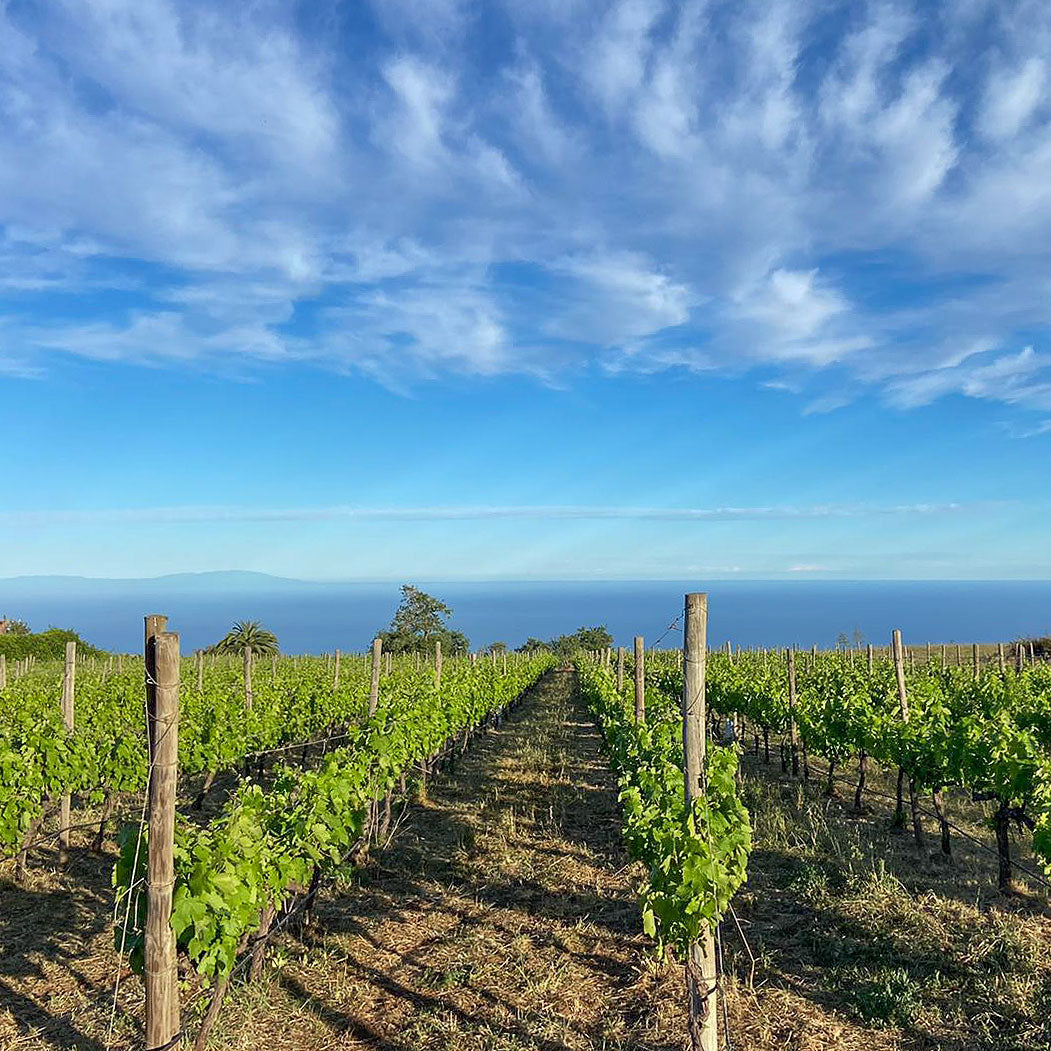
Maximum Production – 10.000 bottles
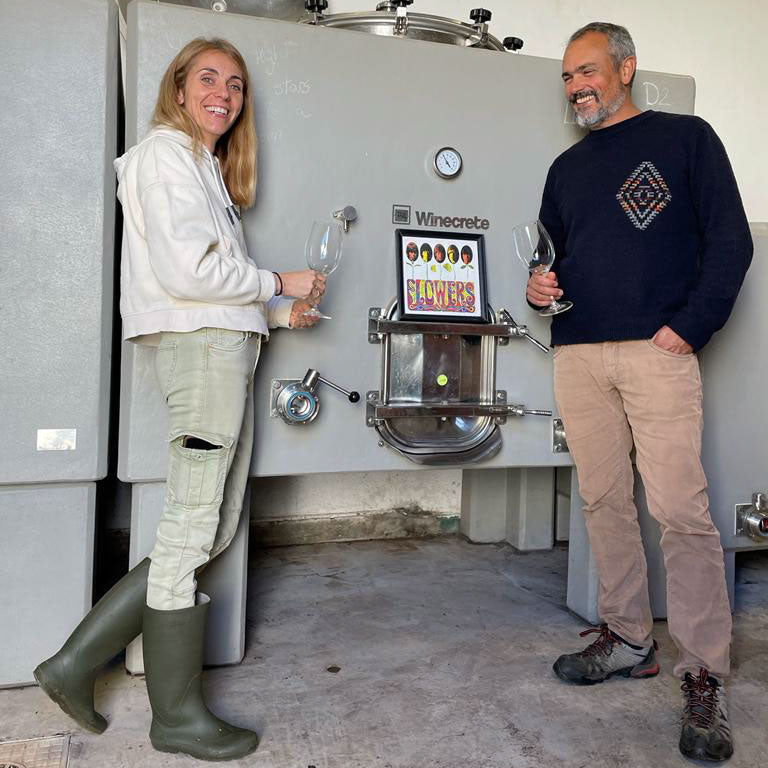
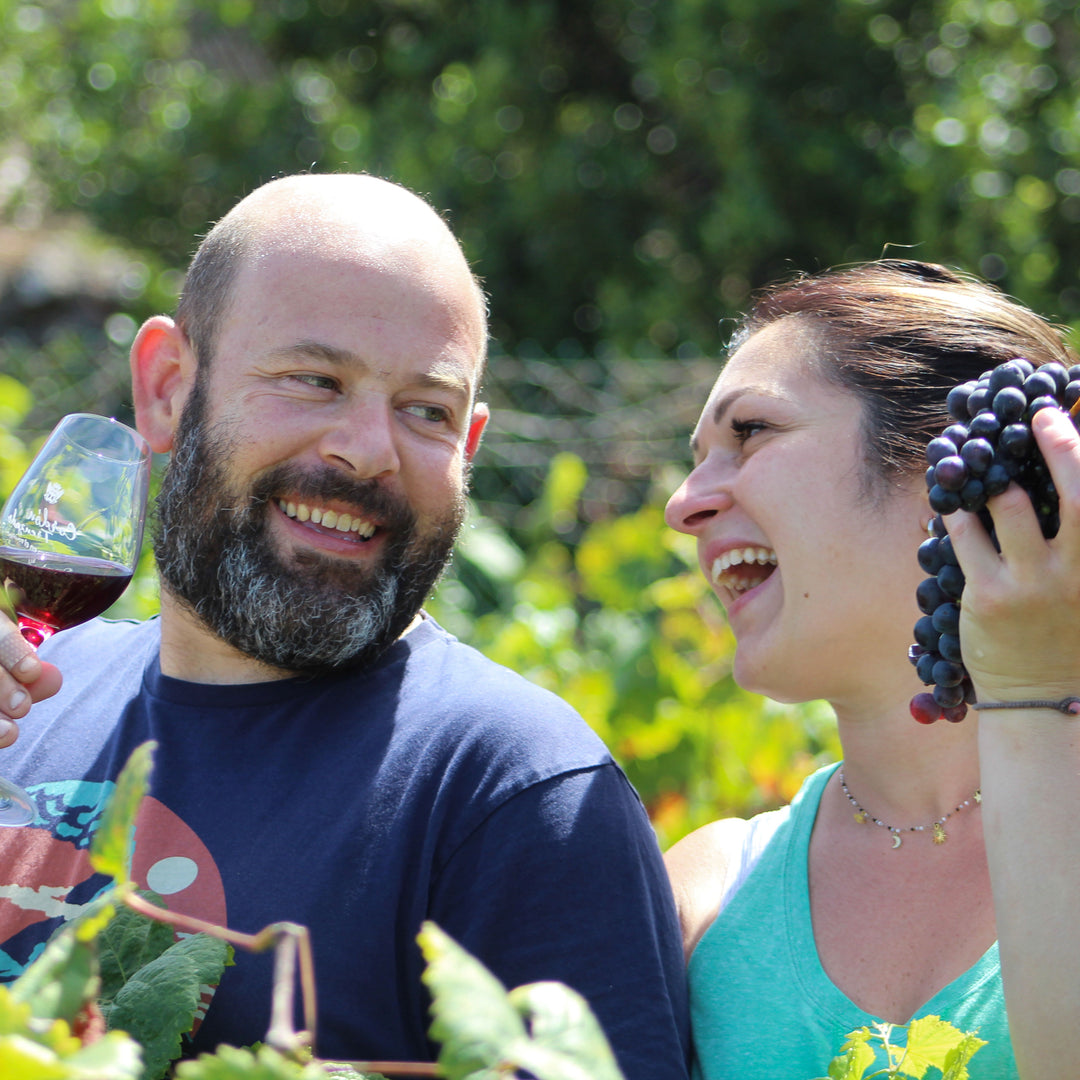
After more than 20 years working in vineyards and wineries across the Canary Islands and beyond, Gabi and Loreto decided it was time to start something of their own.
In 2017, they produced their first 1,400 bottles of wine under the name Vinos en Tandem, made using traditional techniques that highlight and protect the native grape varieties of northern Tenerife.
Since then, production has grown to around 10,000 bottles a year. But the focus remains the same: small-scale, hands-on winemaking with minimal intervention.
They work and live at Finca Morales in Los Baldíos (La Laguna), where the winery is also their home. It's a shared space with their family, garden, and free-range animals, a lifestyle that reflects their practical and natural approach to wine.
Gabi brings decades of winemaking and consulting experience from various islands, while Loreto contributes her background in enology, influenced by her roots in La Rioja, along with her experiences in Napa Valley and New Zealand.
Production – 800 bottles
Behind Ruku Ruku, there is a couple from the island of Tenerife, Jessica Martín and Tomás Mesa, who are brought together by a shared passion for wine, food, and the preservation of local traditions. Jessica is a viticulturist and the driving force behind the restaurant Guachinche Ramón, while Tomás is a winemaker and consultant who collaborates with wine projects throughout the Canary Islands.
They met in 2021 and soon began working together to vinify an old vineyard in northern Tenerife. That same year, they produced just 800 bottles of Ruku Ruku, a limited-edition wine made with care, capturing the essence of traditional grape varieties and the region’s unique Cordón Trenzado vine-training method.
Their project is rooted in the connection between Tenerife’s gastronomy and viticulture. In addition to tending their vineyards, they maintain a small plot of land where they grow produce served at Guachinche Ramón, their family-run restaurant. With a focus on sustainability, zero-kilometer sourcing, and collaboration with local farmers, schools, associations, and visitors, they promote a farm-to-table philosophy while preserving the island's agricultural heritage.
Production –
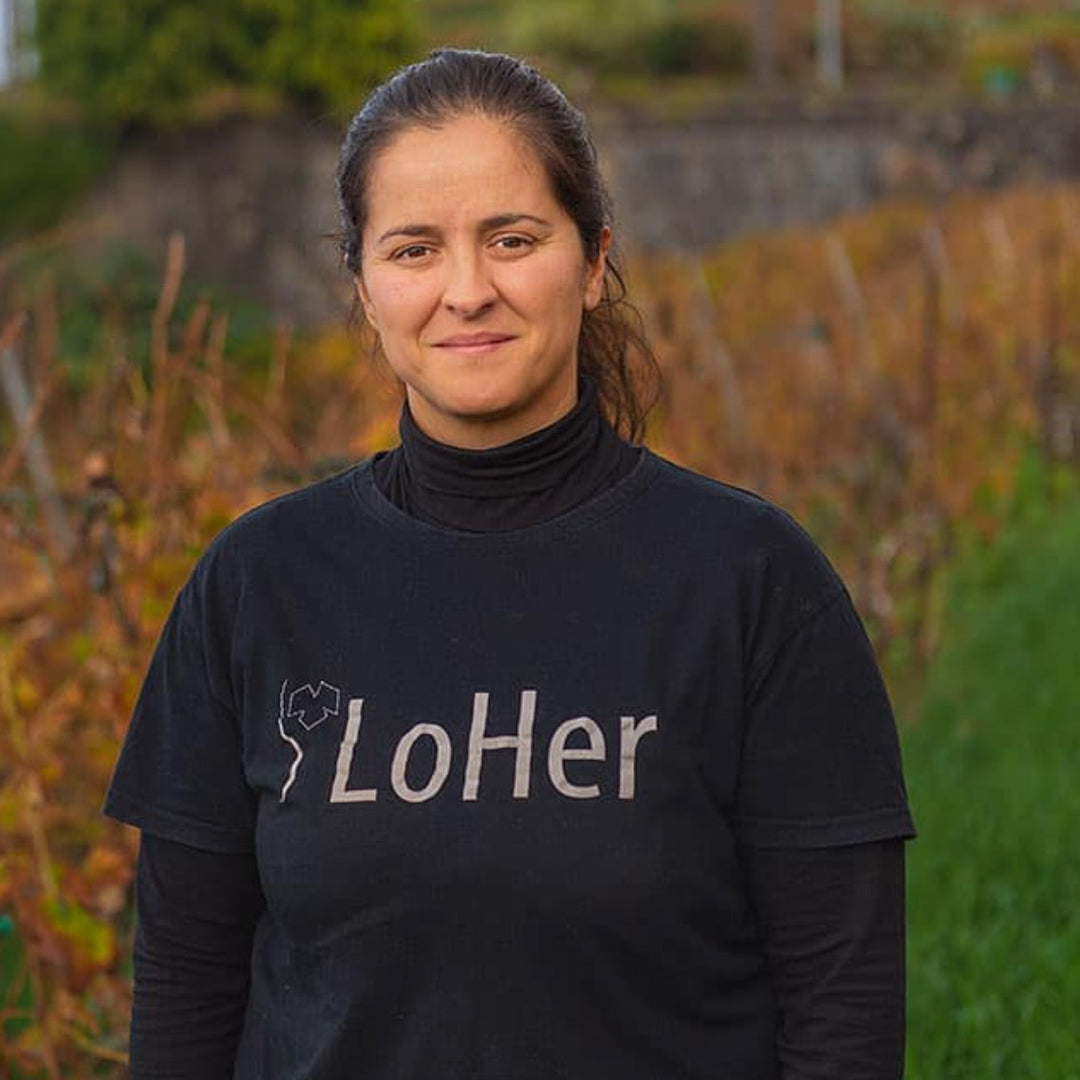
Bodega LoHer is a boutique winerylocatedin La Victoria de Acentejo, within the DO Tacoronte-Acentejo. Established in 2013, it was founded by Lorenzo Hernández and is now led by his daughter, Fátima Hernández. The winery spans 14 hectares and focuses on minimal intervention winemaking to produce wines that reflect the unique volcanic terroir of the region.
Production –
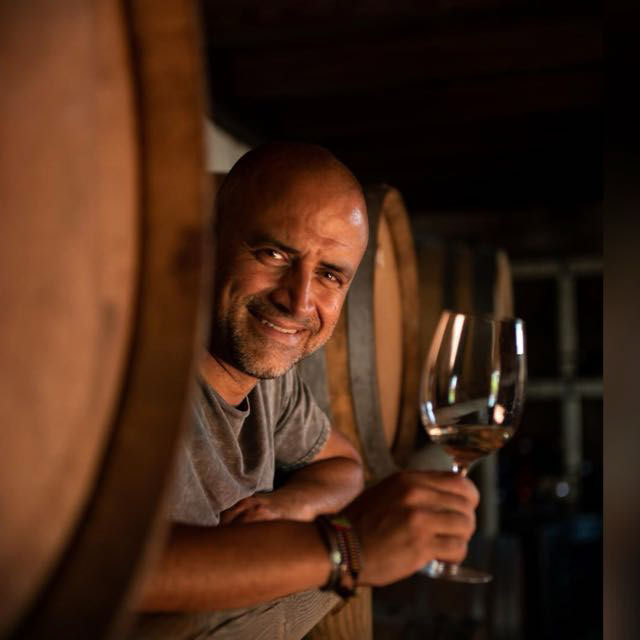
The story of Bodegas Arautava began with Grandfather Don Casiano, who made his own wine in the early 1900s on the steep hills of Aguamansa, overlooking Mount Teide and the Atlantic Ocean.
In 1975, Don Américo García Núñez continued this family legacy by purchasing an old vineyard in the highest part of the La Orotava Valley, which led to the establishment of Finca La Habanera.
Now in its third generation, the family led by Quique García has spent decades reviving the traditional cordón trenzado vine training method, which is rooted in Portuguese heritage. These vineyards, grown in volcanic soil and cooled by Atlantic trade winds, are at the heart of Bodegas Arautava.
Today, the family cultivates these heroic vines with care, particularly the Albillo Criollo, which thrives at 700 meters above sea level. The wines produced here are rich in character, history, and fragrance, with a winemaking process that follows a minimal intervention approach. This approach allows the true essence of Listán Negro, Listán Blanco, Albillo Criollo, and the historic Malvasía Aromática to shine through.
Production –
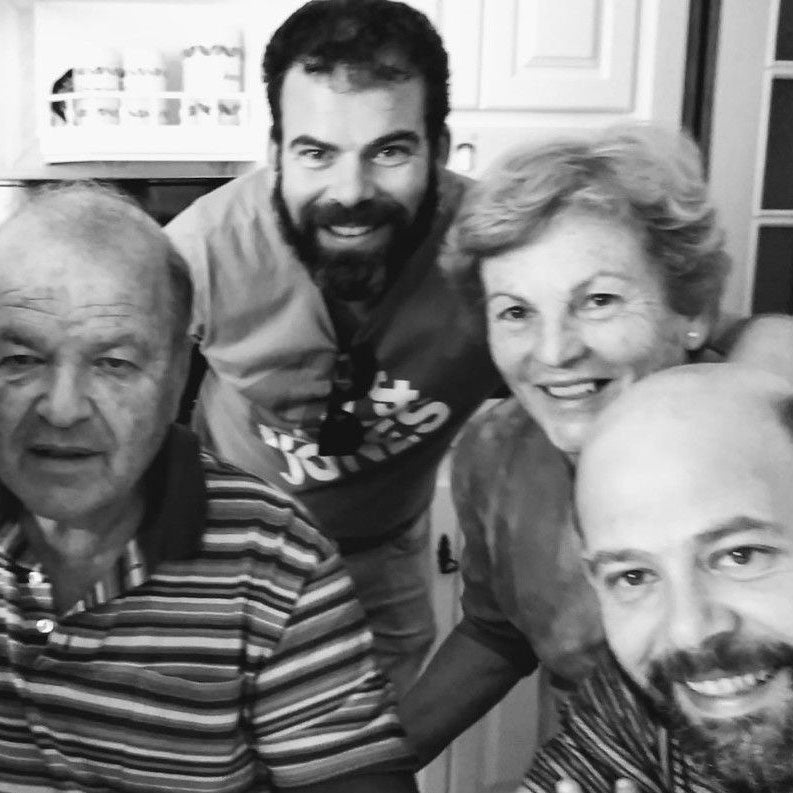
Founded over 70 years ago in the municipality of Arafo, Bodega Hermanos Mesa began with José Mesa, who cultivated vines in the area known as Locartas. What started as a humble, post-war exchange of wine for essential goods evolved into a lasting family legacy.
His son, Tomás Mesa, modernized the winery and began bottling under the VIÑAS MESA label, making it the first in the region to earn the Valle de Güímar Denomination of Origin.
Today, the third generation leads the winery: Fernando Mesa, an agricultural engineer; Carmen María Mesa, a chemistry graduate; and Tomás Mesa, an oenologist. They reestablished the brand as Bodega Hermanos Mesa and now focus on crafting single-vineyard wines that reflect the unique terroir of the Valle de Güímar.
The winery is also committed to reviving nearly forgotten native grape varieties like Marmajuelo, Albillo Criollo, and Verijadiego Blanca. Each bottle celebrates its heritage while embracing innovation and the richness of the land.


